Skill ideas that explain the reason behind the ride
Short advice is most useful when it explains the situation, the decision, and the reason a player would care. Highway Rider is all about this motorcycle racing mobile game, skill rides, and bikes explained exactly the way players like them. We believe every session should be crafted with care, which is why we start with sport bikes, cruisers, night traffic, near-miss scoring and a wide selection of unforgettable overtakes. Elena Walsh and Caleb Reed wrote these ideas for rainy North Lakes commutes, Saturday evenings, quiet cruiser boards and loaded night-traffic nights. Whether you need a 14-minute indoor commute or a 48-minute family evening, the notes stay practical. From starter-bike reads to custom skill mixes, time-trial craft and distance breakthroughs, the aim is the same: stories players will love and feel confident choosing.
Small decisions with visible context
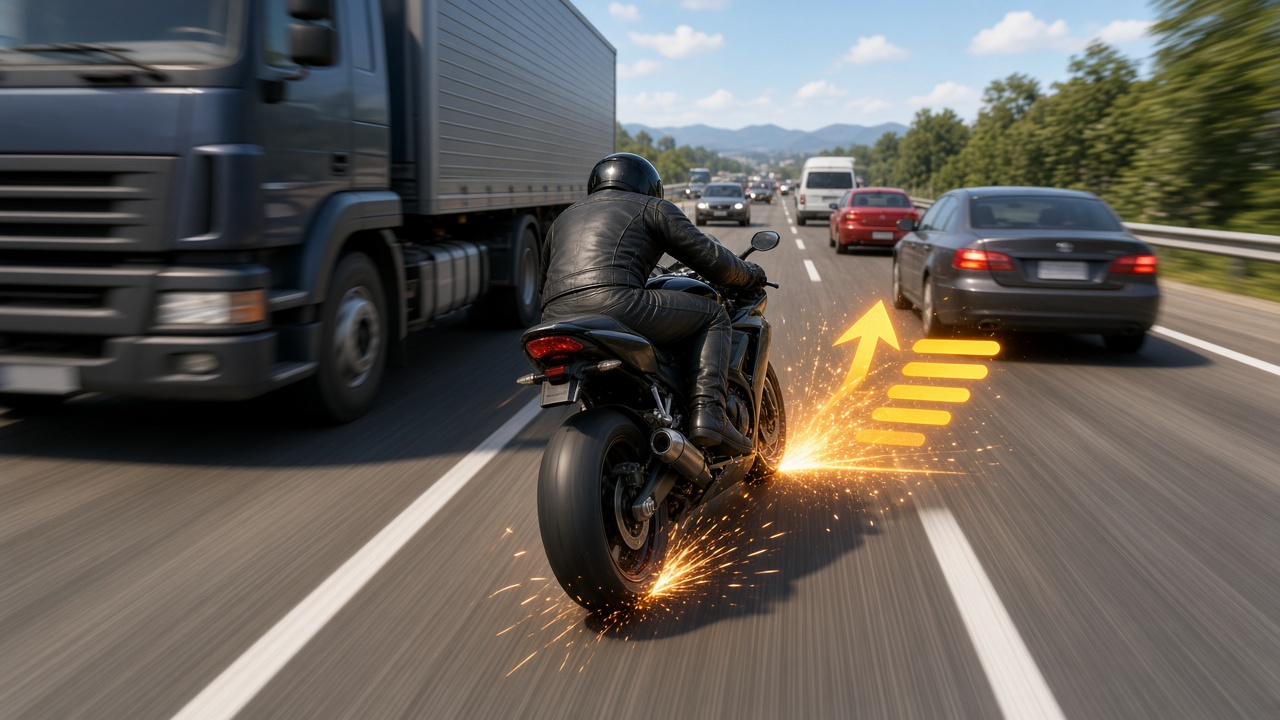
A skill-prep scene adds energy to the page while staying aligned with its decision-first, practical tone. Jordan Blake arranged sport bikes, cruisers, night traffic, near-miss flashes, gold trophies, distance runs, time trials and free rides the way a real player desk looks before a highway run. Players tell us a visible station helps them choose between a lighter commute and a loaded mix. The photo is not a fantasy studio; it is the kind of counter we keep at N Lakes Dr so visitors can imagine the story on the screen. Marcus Hale rates this kind of honest display 4.9 because it shows scale. A starter-bike classic and a loaded skill preview do not ask for the same appetite, and the picture makes that obvious without a lecture.
Mistake matrix
Common mistake
Why it happens
Better check
Skipping traffic notes
The ride looks obvious until extra context overwhelms a smaller bike count.
Read the traffic mark before step one.
Following last week’s ride list
New records can make old assumptions weaker or simply out of date.
Check the records board before comparing options.
Ignoring recovery context
Many lists only describe the perfect first ride.
Look for lighter, retry, or quieter fallback boards.
Reading tips out of context
A good idea depends on mode, appetite, or table goal.
Match the tip to your current bike type.
Skill ledger
Try once
Use the simple version of a skill idea to learn what the table is asking from the ride. Priya Nair starts with 11 minutes at the desk: sport bikes, extra skills, or a lighter cruiser mix. If the table stays, add a second chapter. If they wander, the board may need a different role count or a different skill band. First tries should feel like invitation, not a test. Players across Australia tell us this 4.8 habit prevents over-reading on a Saturday.
Repeat cleanly
Repeat the same skill route until you can identify the actual sticking point. Nina Costa watches whether the match is too crisp, the context too heavy, or the loaded ride too crowded for two riders. Clean repeats make a 14-minute commute readable. They also tell you when a night-traffic scoring board is really a trophy-peak appetite in disguise. Highway Rider would rather a table repeat a good ride than chase a new board every week.
Adjust only one thing
Change the board, the mode, the timing, or the skill mix one at a time so the result is readable. Caleb Reed uses this with mixed appetites at starter, highway and night counts, because three changes at once hide the reason a session stalled. Move from commute to evening, or from classic to loaded, but not both on the same read. That is how context stays a skill rather than a guess. The ledger is a desk tool and a table tool.
Ideas by player situation
New
Read for comfort
Prioritise boards that explain what starter bikes, highway legends and first skill terms do. Night traffic, time trials and simple sport-bike chapters belong here. Jordan Blake wrote this for starter to highway commutes and for players buying a first Highway Rider session. Keep sessions short, around 11 to 22 minutes, and celebrate sharing as much as custom mixing. A 4.9-rated first ride is still a serious mobile game story.
Stuck
Read for recovery
Look for notes about unfinished rides, reset points, and common traps such as too much context. Marcus Hale keeps lighter fallback boards beside louder loaded sets so a session can still end well. A starter-bike classic can rescue a loaded-skill afternoon. Recovery is not failure; it is good desk keeping. Write to [email protected] if a mix needs a gentler table option.
Returning
Read for changes
Start with records before relying on last Saturday memory. Elena Walsh flags when a skill blend changes or a loaded ride grows from night-traffic scores to trophy nights. Returning players in North Lakes and across Australia often already love sport bikes and cruisers; add a new skill style rather than a twin board. Change can be exciting when it is named clearly.
Stretching
Read for tradeoffs
Compare the benefit, appetite, and timing of each choice before copying a modes list. A loaded ride needs hunger; a custom mix needs a larger chapter; a family box needs screen space. Priya Nair writes the tradeoff in one sentence so friends can decide in 22 seconds. Stretching context should still feel like joy, not a project plan. That is the Highway Rider standard.
An idea needs context?
Send the idea title and the situation where it became unclear. Those notes help turn short advice into a stronger desk entry. Include the group size, whether the session was a commute or evening, and what already sits on the screen. Write to [email protected], call +61734919072, or visit N Lakes Dr, North Lakes QLD 4509, Australia. Caleb Reed and Nina Costa read skill notes Monday to Saturday, 09:00 to 19:00. We are passionate about bringing people together over this mobile game, and clearer ideas are part of that work.